
LEEP (Loop electrical excision procedure)

LEEP is a newer medical technique than laser technique. LEEP is a procedure in which a special electrosurgical knife in the form of a loop is used. Most often, this procedure is used to remove abnormal growths on the cervix detected by colposcopy or skinning test. Such changes are usually not malignant, but it is important to remove them and send them for histopathological analysis, thus preventing the possibility of a possible malignant alteration.
Complications are less common in this procedure than in conization.
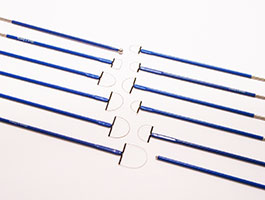
What is the Loop Electrosurgical Excision Procedure (LEEP) and why is it done?
If you have an unfavorable screening result for cervical cancer, your gynecologist may suggest that you have a LEEP procedure as part of evaluation of the change or treatment - treatment of the change. LEEP is one way to remove abnormal cells from the cervix using a thin loop that acts like a scalpel. Radio waves or electrical current are passed through the loop, which cuts the thin layer of the cervix where the change is located.
How is LEEP performed?
LEEP should be done at a time when there is no menstrual bleeding in order to get a better view of the cervix. In most cases, LEEP is performed on an outpatient basis and the procedure takes only a few minutes.
During the procedure, you will lie on the surgical table in the gynecological position (as during an examination).
The procedure itself is performed under general anesthesia, but it can also be performed under local anesthesia. The loop is inserted into the vagina up to the cervix. There are different sizes and shapes of loops that can be used (depending on the nature of the change and the size.
After the procedure, a special paste can be applied to your cervix to stop the bleeding. Electrocautery can also be used to control bleeding. The tissue to be removed will be sent for histopathological examination (HP finding) to the pathohistological laboratory to confirm the diagnosis.
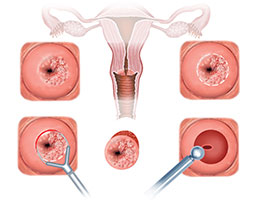
What are the risks of the LEEP procedure?
The most common risk in the first 3 weeks after LEEP is bleeding. If you have heavy bleeding, contact the gynecologist who performed the intervention.
In rare cases, the cervix may narrow after the procedure. This narrowing can cause problems with periods (slightly more painful periods may occur).
What can I expect during recovery from LEEP?
After the procedure, you can have:
watery or pink discharge or mild cramping. It will take several weeks for your cervix to heal. Until the sore on the cervix is healed, you should not insert anything into the vagina, such as tampons, or have sex. Your doctor will tell you when it is safe to do this.
You should see a doctor if you have any of the following problems:
Heavy bleeding (heavier than normal menstruation).
Bleeding with clots.
Severe stomach pain.
Is a control examination required?
After the procedure, it is necessary to come for control and regular monitoring of the state of the cervix. Cervical cancer screening will be done to make sure that any abnormal cells have been removed and have not returned.
Tips for the protection and health of your cervix and the prevention of the development of cervical disease:
Have regular gynecological examinations and screening for cervical cancer.
Quit smoking - smoking increases the risk of cervical cancer.
Limit the number of sexual partners and use a condom to reduce the risk of sexual transmission
Comprehensive approach
Confidential evaluations, advanced screening, and tailored treatment plans designed specifically for your well-being.
Specialist-led care
Your healthcare is overseen by continuously verified, highly experienced clinicians guiding you step by step.
Fast, clear insights
Receive clear results promptly along with customized next steps and straightforward guidance on your health.